
Water for Weight Loss
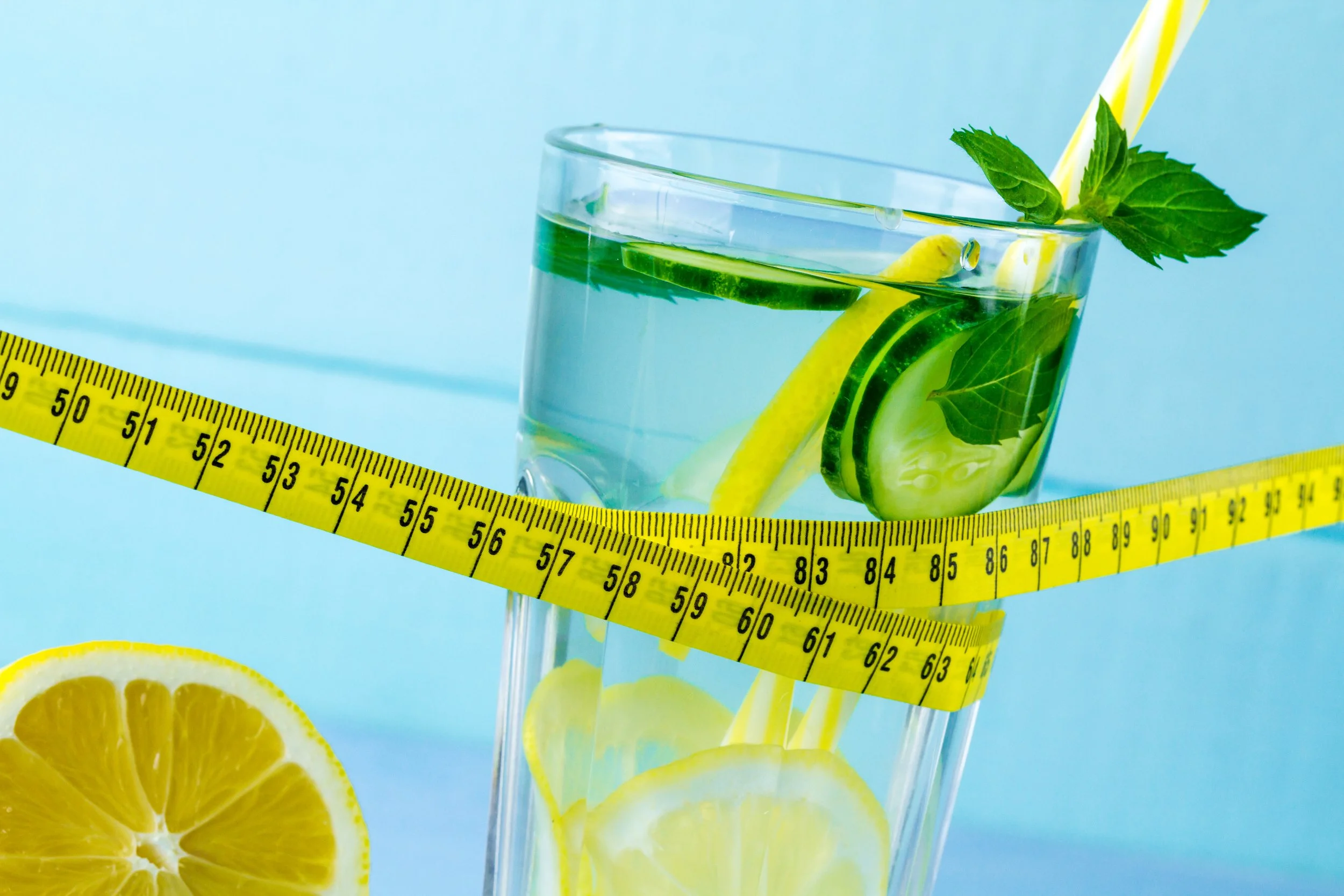
Looking for a way to boost your weight loss? It’s as near as your kitchen faucet. In fact, with water making up 60% of our body, keeping an eye on your water intake can make the difference in a failed or a successful diet plan. Here are some of the reasons why:
Water helps us stay active. Getting muscle cramps after exercising? It’s likely you need more water to dissolve electrolytes and send them to your muscles. Overheating easily during an afternoon walk? Water lost to flushing or sweating has to be replaced. Always have a water bottle handy during a hike or a work-out, and at Professional Weight Management we recommend drinking 8 oz of water for every 15 minutes of active workout.
Water fools the brain into feeling full. A 2016 study found that drinking two 8oz glasses of water prior to a meal led to 22% less caloric intake at the meal. This is likely because the water fills and stretches the stomach, sending a signal to your brain to quiet your hunger. Cool water also requires the expenditure of calories to warm it in your stomach and every calorie used counts when you’re losing weight.
Water is vital for efficient body functions. Everything from muscle function to digestion to heat distribution depends on hydration. A 2016 animal studies review suggested that even mild dehydration can cause a drop in lipolysis, the process which breaks down fat stores to release energy. While it’s not yet proven to affect humans in the same way, we are animals as well and it’s likely missing a glass or two of water everyday could slow fat loss.
Water replaces sugary drinks. And most of those sugary drinks, like sodas or artificially flavored fruit drinks, are only empty calories. A 12 oz can of Coke adds 140 calories to your daily count and spikes your glucose levels. With the average American drinking 1.9 soft drinks daily (we’ll round that up to 2), replacing your soft drink with water saves you 280 calories per day or 8,400 calories per month—which translates to 2.4 pounds lost just by drinking water instead of supporting the soft drink industry.
Water replaces sugar-free drinks. The research is mixed on whether diet drinks cause weight gain but the correlation is clear that those who drink artificially sweetened drinks tend to struggle more in losing weight. A 2015 study asked overweight women to replace their diet beverages with water after their main meal and found that those who did so showed a greater weight loss than those in the control group. That may be an effect of the artificial sugar itself or perhaps the effect of fooling the body into maintaining its sweet tooth.
Water helps to moderate your moods. Your brain can’t always be trusted to tell you what you need. Depressed and fatigued? You might just need hydration. Snapping at your loved ones? Try a glass of water. Hungry before meal time? You might really be thirsty instead. A special note on the thirst/hunger confusion for more mature dieters, as we tend not to register thirst as well as we age and it becomes even more important to focus on regular hydration in later decades.
One of the mechanisms at play in the way hydration influences hunger may be its effect on cortisol. Dehydration stresses the body and stress causes cortisol to be released, which in turn causes a glucose spike and can increase hunger. Drinking plenty of water helps you avoid the cortisol and think clearly, so you can control your diet instead of dehydration trying to control it for you.
Speaking of plenty of water, how will you know if you’ve had enough? It starts by assessing the rest of your diet, as the water in both the food you eat and the beverages you drink count toward your daily total. Water is in the obvious places such as milk, coffee, and tea—and yes, even caffeinated beverages are now believed to add to your hydration—but it’s also hidden in meats, fruits and vegetables. You can’t measure the hidden water but you can check for signs of dehydration like dry skin, dark urine or excessive fatigue. If in doubt, a good rule of thumb is to aim for 8 cups daily.
Need some tips to keep your weight loss hydrated?
Log your water intake. It can be on your phone app, on a note pad, or checked off a write-on magnetized pad. Whatever works for you. The idea is just to keep track of your water intake so you don’t come to the end of the day wondering how much water you downed.
Set phone reminders for multiple times per day. It can become like Pavlov’s dog, with the sound of the alarm making you reach for your water bottle. Once the reminders have helped you remember, habit will set in and you will naturally want to stay hydrated.
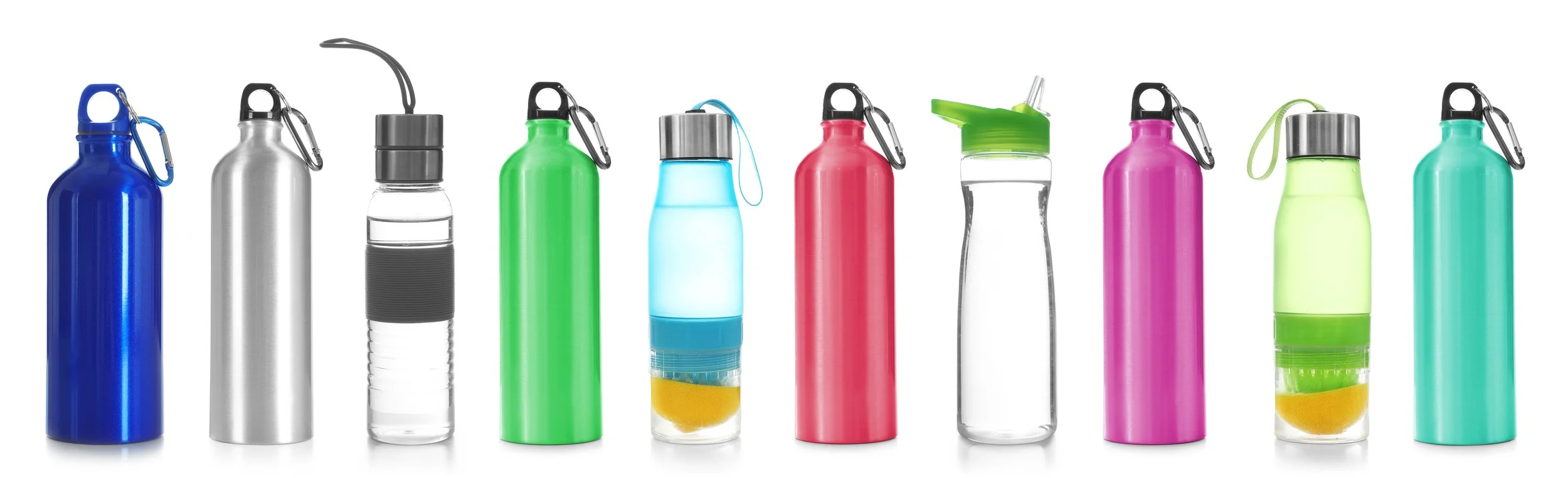
Get a 16 ounce water bottle in a color you love and fill it morning, afternoon, and evening. Of course, that means you drink it each time it’s filled.
Turn your water into something you love. Chill it, add lemon or lime, or use a SodaStream to make it bubbly. Sometimes even a splash of a flavored drink in a mineral water can become something you crave. Just make sure whatever you add isn’t bumping up your daily calorie count.
To sum it up, water isn’t a magic bullet against weight loss but it does help us win that war by helping to keep our bodies functioning properly, our moods moderated, and our hunger controlled. It’s an easy low or no cost way to speed up weight loss. So keep that water bottle handy and, hopefully, you’ll soon be watching the results on the scale.
Professional Weight Management owner Tammi has a few words of advice on water for weight loss:
“As you know, water is so important. You should drink at least 64 oz of water a day. It helps you stay fuller. It helps flush out all the toxins. It helps your body with digestion, and it just helps you be healthy and helps with your skin. And with summer coming, you really need to stay hydrated. If you are exercising for every 15 minutes of exercise, you need an extra eight ounces of water.”