
How Protein Deficiency Harms Your Body And Brain
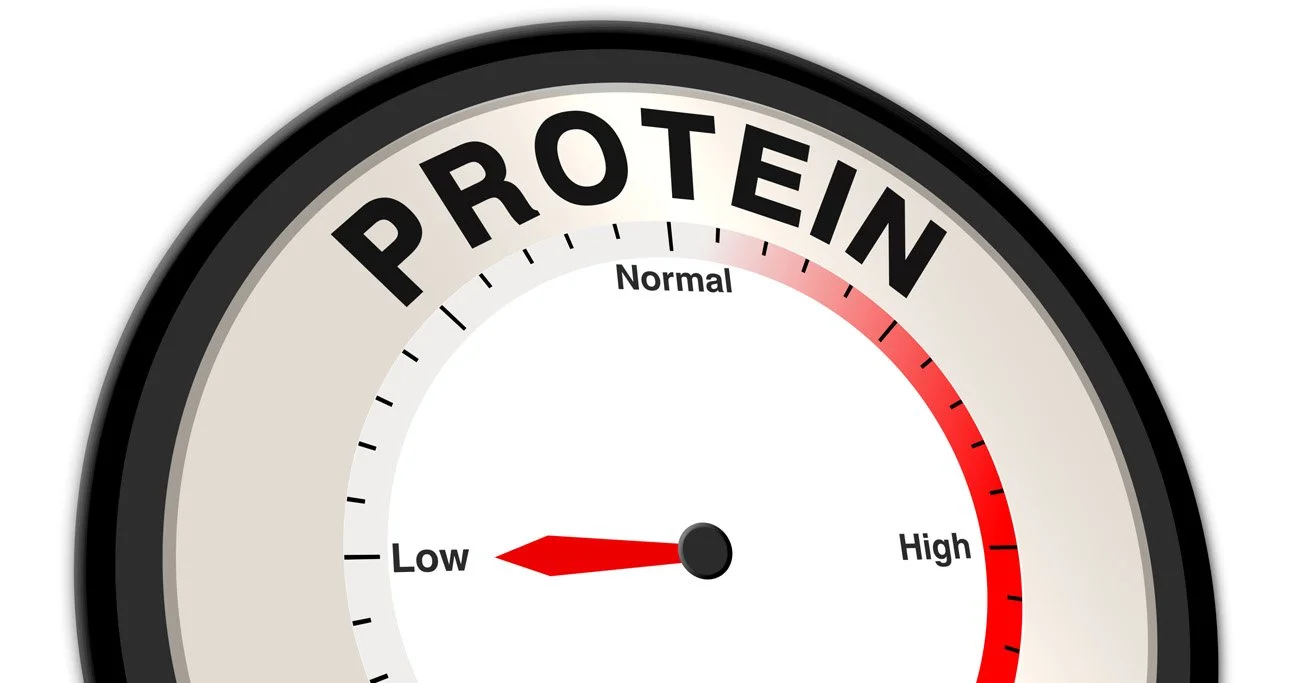
What happens when you lose your hunger signals? That’s just what occurs with the latest weight loss drugs, which both create a lasting sense of fullness and block the urge to indulge. The result is usually significantly less caloric intake, but if you’re eating less it’s even more vital to balance your diet carefully; otherwise you may be feeding your heart and brain far less protein and other nutrients than they need to perform. This danger isn’t new, as it has existed in all of the fad diets that have come and gone through the decades—like the grapefruit diet of the 60s, the cabbage diet of the 80s, and the Special K diet of the 2000s—but just because the danger is familiar doesn’t mean it’s not real. The truth is, if you don’t feed your body healthy levels of what it needs then you will harm the health of your body.
How Low Protein Effects Your Brain:
In 2022, the American Journal of Clinical Nutrition published a 20-year Harvard study following the dietary habits of 77,000 men and women. One of the results that received attention was the unsurprising finding that more protein created better protection against dementia. Even a small increase reduced risk, with as little as a 5% increase in protein intake creating an 11% reduction in eventual dementia onset. The result is unsurprising because protein is the building blocks of our muscles and organs and vital for the tissues and chemicals that make our brains function.
While dementia can take many years to be diagnosed, depression and mood swings may be more immediate. Your brain needs neurotransmitters like serotonin and norepinephrine to balance your anxiety and energy levels, and those neurotransmitters are made from amino acids—the building blocks of protein. While your body can make some of the forms of amino acids it requires, there are other necessary amino acids that can only be obtained from food intake and the only complete proteins that contain all of the amino acids needed by your brain are animal proteins. In other words, if you’re feeling tired, anxious and moody it may be due to a lack of eggs, chicken or fish in your diet. Protein feeds your brain.
How Low Protein Can Give You The Flu:
The antibodies that stand guard in your body against colds and flus are actually proteins produced by your immune system. Like neurotransmitters, they’re built from amino acids and require you to provide protein food, along with other nutrients. Your immune system can’t stay healthy if it isn’t fed.
How Low Protein Weakens Your Muscles:
Your body will try to find what it needs to survive and if enough protein isn’t in your diet then your body will begin to steal it from your muscles. Most of us have seen Facebook posts of starving dogs rescued from neglect so we know the visual effect of muscle loss. But obvious weakness isn’t even the biggest concern; the hidden danger is that your heart is your most important muscle and your body doesn’t play favorites—it will steal from your heart as well.
If you remember Karen Carpenter, the 1970s pop singer, then you probably know the tragic outcome of her anorexia. Along with other symptoms of too little nutrition, her heart was severely damaged and gave out when she was still only 32. Thankfully most diets aren’t as longterm or severe as a disorder like anorexia, but even minor damage can affect your health and energy levels for the rest of your life and is arguably the most concerning reason to carefully monitor your protein and nutrition levels.
How Much Protein Do You Need?
The really good news is that most Americans get plenty of protein in their diet. It typically only becomes a challenge when you’re severely restricting your diet or if you’re using a diet drug such as a GLP-3 to silence your hunger sensations. Your daily minimum protein quota will vary depending on your size and specific health considerations, but a good rule of thumb is to aim for about 80 grams of protein daily for a 150 pound person. Seek the advice of your primary physician for your specific goals. Your Professional Weight Management consultant can also advise you on daily goals and review your meal history with personalized recommendations for better protein sources.
How To Reclaim Control of Your Protein
GLP-3s can feel like a plug-and-play drug. You plug it into your body through a shot or a pill and it does the work for you. Like an aspirin takes away your headache—easy. But studies suggest that as many as 22% of GLP-3 users consume insufficient protein and nutrients during the period they are using the diet drug, which is a good reason to suggest the drug is less plug-and-play and more use-as-an-aid. It can do some of your work for you but you need to monitor your nutrition if you want your weight loss to give you decades of better health.
How do you monitor your nutrition? It starts with your individual goals and can include a food diary, an online food log, or a consultant, like those at Professional Weight Management, who can review your food choices, understand how they fulfill your nutrition goals, and set you up for longterm success with nutritional training, helpful tips, and emotional support.
Every diet is an investment in time, focus, will power and money, and if you want the biggest pay-off in your investment, meaning weight loss that lasts so you don’t have to make the same investment again and again, and you want to earn the benefits of that weight loss in better heart and brain health in future years—stay in control of your protein and nutrition.